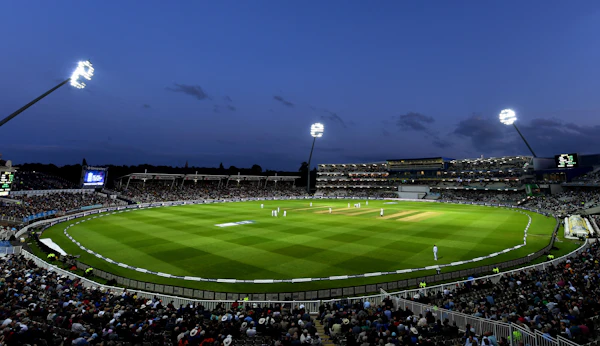
Packed football stadium under bright lights on game day

Where game day actually begins

Game day starts
in the parking lot.

The definitive tailgating resource. Stadium guides, expert playbooks, and the unwritten rules that separate rookies from veterans.

50+ Stadium Guides
8 Score Metrics
100% Fan-Verified

What Is Tailgating & How Does It Work?

Tailgating is the pre-game tradition of gathering in stadium parking lots to eat, drink, socialize, and celebrate before a sporting event. But calling it a "tradition" undersells it. Tailgating is a skill — one you learn, earn, and respect over time.

For first-timers, the basics are simple: arrive 3–4 hours before kickoff, find your spot in the lot, set up your cooking and seating area, and connect with fellow fans. The deeper truth is that tailgating is a community. You don't crash it. You don't fake it. You learn the rhythms, respect the veterans, and bring something to share.

Whether you're feeding 5 friends or 50 strangers, grilling brats in a blizzard or watching the sunset before a night game, tailgating rewards preparation, generosity, and showing up with the right energy.

Read our complete First-Timer's Guide →
Friends gathered around a table sharing food and drinks outdoors

How to Best Tailgate: 7 Steps to Game Day Perfection

Whether it's your first tailgate or your five-hundredth, these are the principles that separate a forgettable parking lot hangout from an unforgettable game day experience.

The best tailgate isn't about the most expensive grill or the fanciest setup. It's about preparation, generosity, and understanding the culture of the lot. Here's how to do it right, every single time.

1. Research Your Stadium Before You Go

Every stadium has its own tailgate personality. Arrowhead is a BBQ cathedral with 26,000 parking spaces. Lambeau Field is a neighborhood block party where you park in someone's yard. LSU's Tiger Stadium is a Cajun cooking competition that happens to have a football game attached. Knowing what to expect — lot types, rules, local food culture — is the difference between showing up prepared and showing up lost.

2. Arrive Early — Earlier Than You Think

The number one mistake is showing up late. For a noon game, the veterans are set up by 8 AM. For a night game, they arrive by early afternoon. First-timers who arrive 30 minutes before kickoff have already missed the entire event. The tailgate has its own schedule, its own peaks, and its own rhythm. Respect it by being early enough to participate.

3. Invest in the Big Three

Your tailgate gear strategy starts with three items: a grill, a cooler, and a canopy. A mid-size portable grill with at least 350 square inches of cooking surface handles your crew plus stragglers. A cooler that holds ice all day in direct sun. A canopy that survives real wind. Spend 80% of your gear budget on these three items — everything else can be budget-friendly.

4. Cook Food That Feeds Everyone

The best tailgate food scales without stress. Pulled pork sliders, brats, chili in a crockpot, loaded nachos — these feed 20 people without requiring a culinary degree. Always make extra. The fans who feed strangers are the fans who build the best lot reputations. And respect the regional food culture: brisket at Arrowhead, brats at Lambeau, jambalaya at LSU.

5. Learn the Unwritten Rules

Don't walk through someone's setup. Accept food when it's offered. Keep your music at conversational volume until the energy builds. Bring something to share even if you weren't asked. These are the unwritten rules of tailgate culture, and the regulars enforce them through social pressure, not authority. Break them and you'll be the outsider all season.

6. Pace Yourself Like a Veteran

Three beers before noon is how you miss the game you paid $200 to attend. Smart tailgaters hydrate between drinks, eat real food throughout the day, and save their best energy for kickoff. Night games are especially dangerous — they're marathons, not sprints. The veteran move is arriving strong and finishing stronger.

7. Leave Your Spot Cleaner Than You Found It

Your tailgate isn't over until every piece of trash is bagged, your grill ash is cold, and your spot looks untouched. The lots get checked, and stadium management uses the mess left behind as justification to restrict tailgating. Every piece of trash you leave is an argument against the thing you came to celebrate. No-ticket tailgaters especially need to keep lots clean — it protects the privilege for everyone.

The Bottom Line

How to best tailgate comes down to four words: prepare, arrive early, share, and clean up. Master those and you'll have a better game day than 90% of the fans who walk past you on the way to the gates.

The Tailgate Score™

Not all tailgates are created equal. The Tailgate Score™ is our proprietary rating system that evaluates every stadium's tailgating experience across 8 distinct metrics — giving you the full picture before you arrive.

Each metric is scored 1–10 based on real fan experiences, on-the-ground reporting, and years of collective knowledge. Argue about it with your friends. That's the point.

Tailgate Density How packed are the lots?
Food Quality Beyond burgers and dogs
Alcohol Tolerance What's actually allowed?
Local Friendliness Will strangers feed you?
Music Culture Speakers or silence?
Weather Drama How much does weather matter?
Rivalry Energy How intense is game week?
Police Chill Level What cops actually enforce
See All Stadium Scores
9.2 Tailgate Score™

Arrowhead Stadium

Kansas City, MO

Your First Tailgate: Everything You Need to Know

Tailgating isn't intimidating — it's welcoming. But walking in prepared earns respect immediately. Here's what every first-timer needs.

What to Bring

  • Quality cooler with plenty of ice
  • Drinks — beer, water, soda (for everyone)
  • Easy-to-share food (burgers, brats, chips)
  • Portable grill (charcoal or propane)
  • Folding chairs (at least 2 extras)
  • Paper plates, cups, utensils
  • Napkins and trash bags (non-negotiable)
  • Sunscreen, layers, rain gear
  • Bottle opener / multi-tool
  • A positive attitude and something to share

Timing & Arrival

  • Noon kickoff: Arrive by 8–9 AM for full setup time
  • 3:30 PM kickoff: Arrive by 11 AM–noon
  • Night game: Arrive by 2–3 PM — these are marathons
  • College games: Some fans arrive Friday night
  • Golden rule: Earlier is always better. Late arrivals get bad spots and miss the best hours.

Timing varies by stadium. Our guides give you exact arrival windows for every venue.

Joining Another Tailgate

  • Bring a contribution — a six-pack, side dish, or dessert
  • Introduce yourself and compliment their setup
  • Read the room — match the energy
  • Don't take food without being offered
  • Don't overstay — 20–30 minutes is the sweet spot
  • Always say thank you before leaving

Most tailgaters love welcoming newcomers who show genuine respect. The contribution is your entry ticket.

Beautifully grilled meats and vegetables with charred grill marks

Food That Wins Games

Nobody remembers your secret sauce. They remember that you fed them. Tailgate food is logistics — what scales, what survives, and what you can finish onsite.

Feeding 20 People Without Stress

Pulled pork sliders (cook ahead, reheat on-site), brats and hot dogs, a big batch of chili in a crockpot, loaded nachos, and pre-made pasta salad. Avoid anything that requires precise timing or multiple cooking stages.

Food That Survives Heat & Travel

Chips and shelf-stable dips, pre-marinated meats on ice, watermelon and grapes, bean salads with vinaigrette (not mayo), jerky, and anything that goes from cooler to grill. Skip the mayo-based salads and anything that wilts.

The Golden Rule of Tailgate Food

Make extra. Always. The best tailgaters feed strangers without thinking twice. That's how you build a reputation in the lot.

Full Food Playbook

The Unwritten Rules of Tailgating

Nobody tells you this. Everyone judges you for it. The difference between a welcome guest and "that guy" comes down to knowing the code.

01

Bring Enough to Share

Show up with only enough for yourself and you've already failed. The lot rewards generosity. Bring extra beer, extra chairs, extra food. You'll get it back tenfold.

02

Respect the Setup

Don't walk through someone's tailgate space. Don't move their cones. Don't park in their spot. The lot has invisible boundaries that regulars take seriously.

03

Clean Your Space

Leave your spot cleaner than you found it. Trash bags are non-negotiable. The fans who return every week notice who trashes the lot — and they remember.

04

Know the Music Rules

Some lots blast speakers at dawn. Others value conversation. Read the room before cranking your Bluetooth. And never play the opposing team's fight song.

05

Rivalry Respect

Talk trash? Sure. Be personal? Never. Visiting fans get ribbed, not threatened. The line between banter and hostility is clear — stay on the right side.

06

Kids and Family Zones

Some lots are family-friendly. Some are not. Know which one you're in. Adjust your language, volume, and behavior. The wild lot and the family lot coexist — separately.

No Ticket? Still Tailgate.

Here's what most sites won't tell you: some of the best tailgaters never enter the stadium. Tailgating is its own event. You don't need a ticket to eat, drink, and belong. You need a cooler, a grill, and the right attitude.

Most lots don't require a game ticket to enter
Watch the game on a portable TV or listen on the radio
Enjoy the full game-day atmosphere at a fraction of the cost
Some of the best tailgate stories come from fans who never went inside
The No-Ticket Guide
Group of friends enjoying an outdoor gathering together

Tailgating + Travel

The best tailgate trips require more than a cooler and a parking pass. Whether you're flying in for a rivalry weekend, driving an RV cross-country, or booking a hotel near the stadium — the logistics matter.

Open highway stretching into the distance on a road trip

Tailgating Rules: What's Written vs. What's Enforced

Every stadium has official rules. And then there's what actually happens. We break down both — so you know what's legal, what's tolerated, and what'll get you shut down.

Commonly Written Rules

  • No open containers of alcohol
  • Grills must be propane only
  • Generators prohibited
  • Lot opens 4 hours before kickoff
  • All vehicles must vacate 2 hours post-game
  • No overnight parking

What's Actually Enforced

  • Varies wildly by lot and by officer
  • Charcoal grills everywhere at most stadiums
  • Quiet generators usually tolerated
  • Regulars arrive well before "official" opening
  • Post-game lingers until security sweeps
  • RV lots often have overnight exceptions

Rules and enforcement differ at every stadium. Our stadium guides detail what cops actually care about at each venue — lot by lot.

Tailgating FAQ

Everything first-timers and veterans ask — answered by people who've been doing this for decades.

How do you best tailgate at a football game?

To best tailgate, follow these 7 steps: (1) Research the stadium's lot options, rules, and local food culture before you go. (2) Arrive 3–5 hours before kickoff — the best atmosphere happens early. (3) Invest in quality core gear: a portable grill, a cooler that holds ice all day, and a wind-resistant canopy. (4) Cook food that scales for crowds — pulled pork sliders, brats, chili, and nachos. (5) Learn the unwritten rules: don't walk through setups, share food, keep music reasonable. (6) Pace yourself with food and water throughout the day. (7) Clean up your spot and leave it better than you found it. Read our complete first-timer's guide for the full breakdown.

What is tailgating and how does it work for first-timers?

Tailgating is the pre-game tradition of gathering in stadium parking lots to eat, drink, socialize, and celebrate before a sporting event. For first-timers, it works like this: arrive 3–4 hours before kickoff, find your spot in the lot, set up your cooking and seating area, and connect with fellow fans. The key is understanding that tailgating is a community — not a party you crash, but a culture you join with respect, contribution, and genuine enthusiasm.

What should I bring to a tailgate for the first time?

Essential first-time tailgate items include: a quality cooler with plenty of ice, drinks for everyone (beer, water, soda), easy-to-share food (burgers, brats, chips, dips), a portable grill, folding chairs, paper plates and utensils, napkins, trash bags, sunscreen, and a positive attitude. The golden rule: bring enough to share with at least two strangers. That generosity is your introduction to the community.

What are the best stadiums for tailgating in the USA?

The top stadiums for tailgating include Arrowhead Stadium (Kansas City Chiefs), Lambeau Field (Green Bay Packers), Tiger Stadium at LSU, The Grove at Ole Miss, Soldier Field (Chicago Bears), and Michigan Stadium. Each offers a unique tailgate culture with different strengths — from LSU's legendary Cajun cooking to Lambeau's neighborhood brat-and-beer atmosphere. Our Tailgate Score™ system rates each stadium across 8 metrics so you can find your perfect match.

How early should I arrive for tailgating?

For a noon kickoff, arrive 3–4 hours early (8–9 AM). For afternoon games, arrive by late morning. For night games, plan on arriving 4–5 hours before kickoff — these are marathons. At legendary tailgate stadiums like Arrowhead and LSU, hardcore fans arrive 6+ hours before kickoff. Our stadium-specific guides give exact timing recommendations based on lot location, game time, and rival matchups.

Can you tailgate without a ticket?

Absolutely. Many of the most dedicated tailgaters never enter the stadium. Tailgating is its own event — you can watch the game on a portable TV, listen on the radio, or simply enjoy the food and community. Most parking lots do not require a game ticket to enter, though some premium or stadium-adjacent lots may. For budget-conscious fans, locals, and social fans, tailgate-only game days are a long-standing tradition.

What is the best tailgate food for feeding 20 people?

The best large-group tailgate foods are those that scale without complicating your setup: pulled pork sliders (cook ahead, reheat on-site), brats and hot dogs (fast and simple on the grill), a big batch of chili in a crockpot, loaded nachos with pre-made toppings, and pre-made pasta salad. Avoid anything that requires precise timing, multiple cooking stages, or ingredients that spoil quickly in heat. The goal is feeding people, not impressing a food critic.

How do you join another tailgate without being awkward?

The respectful approach: bring a contribution (a six-pack, a side dish, or dessert), walk up with a smile, introduce yourself, and compliment their setup. Read the room — match the energy level. Don't take food without being offered, don't overstay your welcome (20–30 minutes is the sweet spot for strangers), and always say thank you before moving on. Most tailgaters love welcoming newcomers who show genuine respect and come bearing gifts.

What do cops actually enforce at tailgates?

Enforcement varies dramatically by stadium and even by lot. In general, police focus on: underage drinking (consistently enforced everywhere), fights and aggressive behavior, illegal substances, blocking fire lanes, and noise complaints from nearby residents. Grilling rules, alcohol container types, and generator policies are often technically on the books but rarely enforced unless you're causing problems. Our stadium guides detail what officers actually care about at each venue.

What grills are allowed at tailgates?

Most stadiums officially allow propane grills. In practice, charcoal grills are used widely at the majority of venues despite sometimes being technically prohibited. Key rules that are actually enforced: no grilling on grass or landscaped areas, no leaving hot coals on pavement, and proper disposal of ash. Some stadiums restrict grill size. Check our stadium-specific guides for exact policies and what's actually tolerated at each venue.

What's the difference between the family lot and the wild lot?

The family lot features kid-friendly activities, potluck-style food sharing, cornhole tournaments, and PG-rated conversation. The wild lot features loud music, intense energy, body paint, shotgunning, and a party atmosphere that's not suitable for children. Both exist at most stadiums. Neither is wrong — they're just different experiences. Know which one you're parking in before you unload, especially if you're bringing kids or visiting fans.

Get the Playbook

Stadium guides, game-day tips, and the unwritten rules — delivered before kickoff. No spam, no fluff, just the intel that matters.

Free. Unsubscribe anytime. We respect your inbox like we respect the lot.