
Where It Happens
The Parade Ground is the epicenter of LSU tailgating, and there is nothing else quite like it in American sports. This massive, open field sits in the heart of campus between the old quadrangle and the stadium, and on game day it transforms into a sprawling, chaotic, glorious tent city. It is free, it is open to the public, and it is absolutely packed by dawn on Saturday. No reservations. No assigned spots. You show up, you stake your claim, and you start cooking. The Parade Ground is democracy in its purest tailgating form, and the early risers eat best — literally.
But the Parade Ground is only the beginning. North Stadium Drive lots handle the RV crowd, and these rigs are not recreational vehicles in any casual sense — they are mobile Cajun kitchens with satellite dishes and generator-powered sound systems. The Indian Mounds area near the northwest corner of campus, one of the oldest ceremonial earthwork sites in North America, is surrounded by tailgaters who set up with a reverence that matches the ground they stand on. Skip Field lots fill fast with season ticket holders who have been parking in the same spot for decades, so unless you know someone, do not count on getting in.
What makes LSU different from every other tailgate in the country is that the entire campus becomes the party. This is not confined to parking lots and designated areas. Residential streets around the university, fraternity houses along Dalrymple Drive, open fields behind academic buildings, church parking lots — every square foot of available ground within a mile of Tiger Stadium becomes a cooking station, a bar, a dance floor. The boundaries of the tailgate are the boundaries of Baton Rouge itself.
Local Tip
The Parade Ground's best spots go to those who arrive Friday evening. If you're driving in Saturday morning, park on residential streets south of campus and walk in. The walk is part of the experience — you'll eat your way to the stadium.
Timing That Matters
For a Saturday night game — the 7 PM kickoff under the lights that LSU is famous for — serious fans arrive Friday night and camp on the Parade Ground. This is not an exaggeration. People drive in from across Louisiana, Mississippi, and Texas on Friday afternoon, set up their tents and canopies, fire up generators, and begin what amounts to a two-day festival. By the time Saturday morning rolls around, the Parade Ground already feels like it has been open for hours, because it has. Saturday morning at 7 AM is when the second wave hits: the grills fire, the crawfish pots fill, the boudin comes out of coolers, and the day-long progression from breakfast to lunch to pre-game feast begins in earnest.
For a noon kickoff — which LSU fans tolerate but never celebrate — you need to arrive by 6 or 7 AM to claim a decent spot and have enough time to cook properly. The Parade Ground has no official opening time or closing time. There are no gates, no attendants, no tickets. People simply arrive. It is an organic, self-organizing system that has been refining itself for decades, and it works because everyone understands the unwritten rules. Post-game celebrations after a night game can stretch until midnight or later, with fans lingering in the lots, replaying the game, and finishing whatever food remains. Nobody rushes to leave Death Valley.
LSU tailgating is not measured in hours. It is measured in meals. A proper game day involves breakfast (boudin and eggs, maybe biscuits), a mid-morning snack (cracklins, cheese dip), lunch (jambalaya or a crawfish boil if someone started early enough), an afternoon plate (grilled sausage, rice and gravy), and a pre-game send-off meal that could anchor a restaurant menu. If you are only planning for two or three hours, you are not tailgating at LSU. You are visiting.
Rules: Written vs. Enforced
LSU is among the most permissive tailgating environments in the country, and that is saying something for an SEC school. Open containers are tolerated campus-wide on game day. You will see beer, mixed drinks, and wine being carried openly from one tailgate to another, across streets, through crowds, and past police officers who are more interested in keeping traffic moving than policing your Solo cup. Grills are everywhere — propane and charcoal — with no restrictions on size or type. You will see everything from portable Weber grills to custom-welded smoker trailers that could feed a hundred people.
The one rule that is actually enforced is the glass container ban. No glass bottles. This is taken seriously, and for good reason — with 100,000 people walking through grass fields and parking lots, broken glass is a genuine safety hazard. Use cans, plastic cups, or koozies, and you will have zero problems. Generators are common, particularly in the RV areas along North Stadium Drive, and nobody will bother you about noise as long as you are not drowning out your neighbors at 3 AM (and even then, the tolerance is remarkable). Police presence is visible but relaxed. Officers are there for crowd management, not enforcement of vice laws.
The only real enforcement comes down to two things: do not block emergency vehicle access, and do not fight. Baton Rouge PD and campus police have an understanding with the tailgating community that amounts to a social contract. They leave you alone, you police yourselves, and everybody has a good time. Start a fight or block a fire lane and that contract evaporates immediately. Beyond that, LSU game day operates on a principle of maximum freedom with minimum interference, and it has worked this way for generations.
Know Before You Go
No glass containers — this is the one rule that will get you a talking-to. Cans and plastic only. Also, while open containers are tolerated, driving under the influence is not. Baton Rouge PD sets up checkpoints on major roads after night games. Plan a designated driver or rideshare home.
Tailgate Score™ Breakdown
LSU's Tiger Stadium earns a 9.6 overall Tailgate Score, placing it at the very top of college football and among the best tailgating experiences anywhere in American sports. The combination of world-class Cajun cooking, an almost lawless tolerance for revelry, and a fan base that treats game day as a sacred communal event gives LSU a profile that no other venue can fully replicate. Two perfect 10s in Density and Food tell the story — there is nowhere more packed and nowhere that eats better on game day.
The only category where LSU does not dominate is Weather Drama, and that is because Baton Rouge in September and October can be genuinely punishing. Temperatures in the low 90s with Louisiana humidity create conditions that test even the most committed tailgater. But by November, when the stakes are highest and the SEC West race heats up, the weather breaks into something approaching perfection — cool evenings, clear skies, and a stadium full of 102,000 people who have been eating and drinking all day. That is when Death Valley earns its name.
Bathrooms & Survival
Porta-potties are stationed across the Parade Ground and in the major parking areas, but their condition deteriorates rapidly as the day progresses. The university adds units for big games, but the sheer volume of people means lines can be long and facilities can be rough by the afternoon. Campus buildings are occasionally accessible on game day, but do not count on it — most academic buildings are locked. Your best bet for a clean restroom is the bars and restaurants on Bob Petit Boulevard and along Chimes Street, just west of campus. Buy a drink, use the facilities, and rejoin the fray. The Tiger Den and The Chimes are local institutions that expect the game-day traffic.
The real survival challenge at LSU is the heat and humidity, particularly for early-season games in September. Baton Rouge sits in the subtropical belt, and daytime temperatures of 90 degrees with 80 percent humidity are not unusual for the first month of the season. Hydration is not optional — it is the difference between enjoying the game and spending the fourth quarter in a first aid tent. Drink water between every alcoholic beverage. Bring a shade canopy if you are setting up on the Parade Ground. Wear breathable clothing and shoes you do not mind getting muddy. Sunscreen is essential even for night games, because you will be in the sun for eight hours before the lights come on.
Restroom Options
Porta-potties on Parade Ground (arrive early for best conditions), bars on Bob Petit Blvd and Chimes Street, and occasionally unlocked campus buildings. Bring hand sanitizer.
Beat the Heat
Shade canopy is critical for early-season games. Bring a cooler with ice and water separate from your beer cooler. Misting fans powered by generators are common in the RV lots.
Parking Strategy
Free street parking on residential roads south and east of campus. Paid lots closer to the stadium run $20–$40. The earlier you arrive, the more options you have.
Emergency Info
LSU Police: (225) 578-3231. First aid stations are located at stadium gates. Stay aware of your surroundings and watch for heat-related symptoms in your group.
Local Traditions
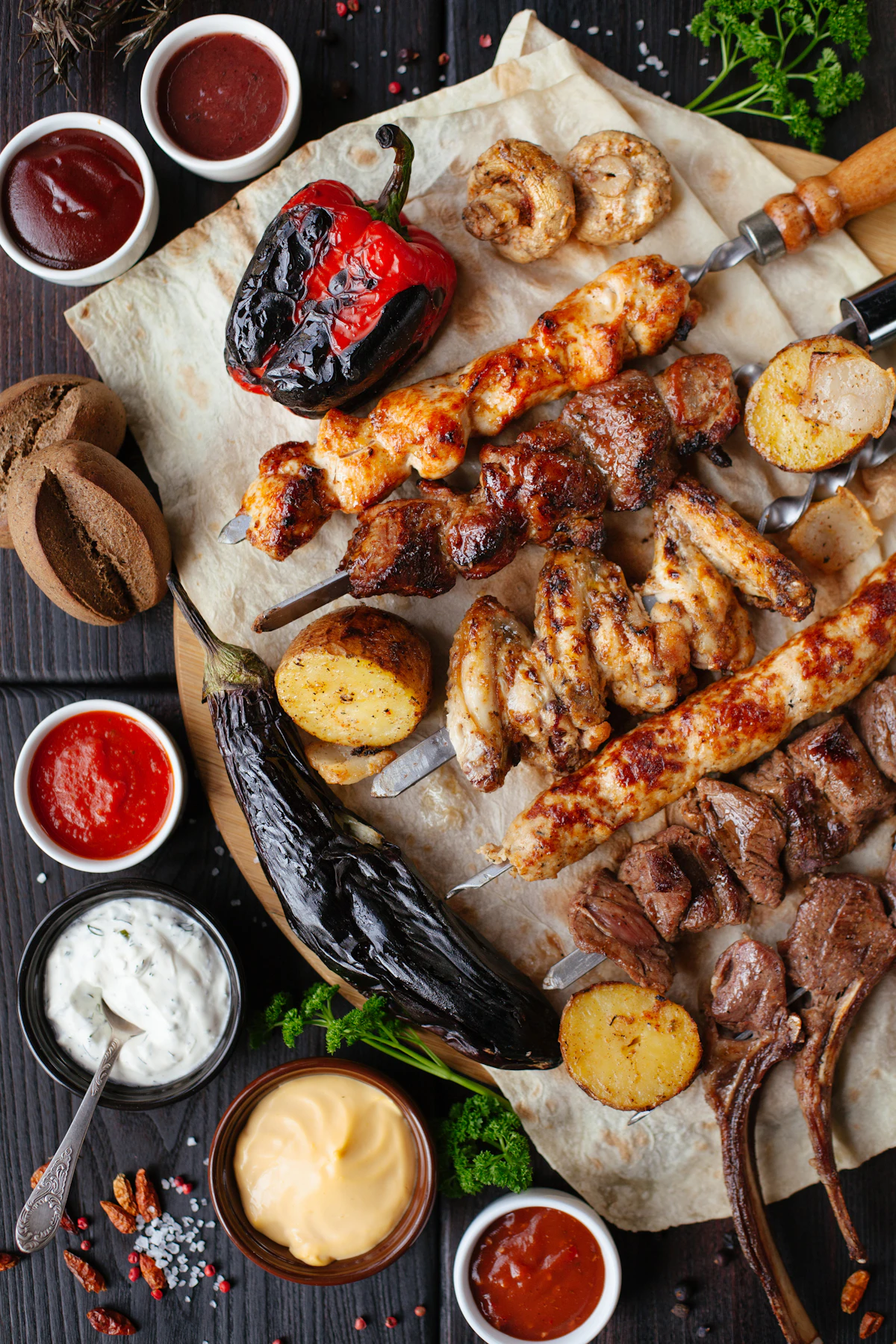
Cajun cooking at an LSU tailgate is not optional, and it is not a suggestion — it is the entire point. This is not a stadium where people grill burgers and call it tailgating. The food at Tiger Stadium is a direct extension of Louisiana's culinary heritage, and it is prepared with a seriousness and skill that would put most restaurants to shame. Jambalaya cooked in cast-iron pots the size of truck tires. Crawfish boils with hundreds of pounds of mudbugs, corn, potatoes, and sausage dumped onto newspaper-covered tables. Boudin from local butcher shops, heated on the grill until the casing crisps. Gumbo that has been simmering since Friday night. This is not tailgate food. This is Louisiana cooking that happens to occur in a parking lot.
The smell of the lots at LSU is legendary, and it hits you before you even see the stadium. Roux browning in cast iron. Andouille sausage splitting on a hot grate. Cayenne and garlic and onions sweating in a pot of gravy. Deep fryers bubbling with catfish or boudin balls. The air around Tiger Stadium on a Saturday is thick with smoke and spice, and it clings to your clothes for days afterward. Full outdoor kitchens with crawfish pots, propane burners capable of boiling 60 quarts, and dedicated prep tables are standard equipment. People bring their grandmother's cast-iron skillets, their uncle's crawfish boil recipe, and their father's stories about the 2003 national championship. The cooking is the connective tissue between generations of LSU fans.
Beyond the food, the traditions are woven into every moment of game day. The "Tiger Bait" chant — an aggressive, affectionate greeting shouted at anyone wearing opposing colors — echoes across the Parade Ground from morning until kickoff. Visiting Mike the Tiger's habitat on the north side of the stadium is a pilgrimage for families and first-timers alike. And then there is the crown jewel: Saturday night games under the lights. When LSU hosts an SEC opponent under the lights at 7 PM, with 102,000 fans inside and another 100,000 outside who have been cooking and celebrating since dawn, there is simply nothing else in college football that compares. The stadium shakes. The noise is otherworldly. The experience is permanent.
Don't Miss
- Mike the Tiger's habitat — free to visit, located on the north side of the stadium
- The Golden Band from Tigerland marching down Victory Hill into the stadium
- The "Callin' Baton Rouge" singalong in the fourth quarter
- Walking the Parade Ground with an empty plate — it will not stay empty for long
What Fans Actually Do
The defining behavior at an LSU tailgate is walking the Parade Ground and sampling food from strangers. This is not an exaggeration, and it is not something that happens occasionally — it is the fundamental social activity of game day. You walk from tent to tent, plate in hand, and people offer you food. Jambalaya from one setup. A link of boudin from the next. A cup of gumbo from a family you have never met. A cold beer from someone who simply saw you walking by and decided you looked thirsty. The hospitality is aggressive and genuine. Bring a dish to share and you will eat like a king. Bring nothing and you will still eat well, because LSU fans believe that feeding people is not generosity — it is obligation.
Everyone feeds everyone. This is the non-negotiable cultural norm of LSU tailgating. A family that has been cooking since 6 AM will wave over a group of students they have never met, hand them plates, and insist they sit down. Opposing fans are not excluded from this — in fact, visiting fans often receive extra attention, because LSU fans want you to understand what you have walked into. "You've never had crawfish? Sit down." That sentence has been spoken ten thousand times on the Parade Ground, and it is always sincere. The communal nature of the food is what elevates LSU tailgating from great to legendary.
Beyond eating, the Parade Ground is alive with live music — zydeco bands, country, Cajun folk, and the occasional brass ensemble warming up for the stadium. Cornhole games are secondary to the eating and drinking but still ubiquitous. Kids throw footballs between the tents. Older fans sit in lawn chairs telling stories about Billy Cannon and the 1958 national championship, or the 2019 team that went 15-0. Multi-generational family cooking traditions are passed down in real time, with grandparents teaching grandchildren how to build a proper roux while the parents handle the crawfish boil. It is not just a tailgate. It is a family reunion that happens to include 200,000 of your closest friends.
First-Timer Warnings
Bring something to contribute. A case of beer is the minimum. A bottle of whiskey is better. A homemade dish is best. LSU tailgaters will feed you regardless, but arriving empty-handed is noticed, and bringing something to share is the fastest way to earn an invitation to a setup that has been cooking for six hours. You do not need to bring Cajun food — your regional specialty is welcome and interesting. But you do need to bring something. The social contract of the Parade Ground runs on reciprocity, and even a token contribution signals that you understand where you are.
Do not call it "Death Valley" to a Clemson fan. Both LSU and Clemson claim the nickname, and both fan bases are deeply serious about the provenance. LSU's claim dates to a 1959 quote, and Clemson's dates to the 1940s. This is not a debate you will win with either side, so know your audience. In Baton Rouge, it is Death Valley, full stop. In Clemson, South Carolina, it is also Death Valley, full stop. Bringing this up at a tailgate is the conversational equivalent of lighting a match near a gas leak. Save it for the internet.
Hydrate relentlessly for early-season games. Temperatures above 90 degrees Fahrenheit with Louisiana humidity that makes the air feel like a wet towel are standard for September. Heat exhaustion is a real and common problem, particularly for fans traveling from cooler climates. Drink water constantly. Seek shade. Wear a hat. Do not try to match the locals drink for drink in the heat — they have been training for this climate their entire lives, and you have not. And whatever you do, do not leave before the fourth quarter. LSU fans take their commitment to staying in the stadium very seriously, and leaving early is a transgression that will be commented on loudly. Finally, learn the words "Tiger Bait" — or at least be prepared to hear them shouted at you approximately 400 times if you are wearing visiting colors. It is not hostile. It is a welcome. Mostly.
First-Timer Checklist
- Bring something to share: a case of beer, a bottle, or a homemade dish
- No glass containers — cans and plastic cups only
- Hydrate aggressively for September and early October games
- Wear sunscreen even for night games (you will be outside all day)
- Do not leave before the fourth quarter — ever
- Learn "Tiger Bait" or be on the receiving end of it all day
- Walk the Parade Ground with an open mind and an empty stomach
- Plan your ride home — DUI checkpoints are common after night games
More Stadium Guides
Every stadium has its own tailgate culture. Explore more of the best in the country.
 9.2 Score
Arrowhead Stadium
The gold standard of NFL tailgating. Massive lots, legendary brisket, and noise levels that register on seismographs.
Full Guide → 9.4 Score
Lambeau Field
Frozen tundra, warm community. Neighborhood lots, bratwurst smoke, and a tailgate culture that predates most franchises.
Full Guide →